Introduction
In the world of cooking arts, party materials, and even in some medical applications, nitrous oxide (N2O) has actually discovered an unique location. Typically referred to as "laughing gas," N2O is available in different kinds, including Nang Tanks, Nitrous Oxide Tanks, and Cream Battery Charger Canisters. While this gas can boost tastes and develop delightful experiences, it is important that we approach its handling with caution. This short article will look into the proper approaches for handling and storing N2O tanks. We'll cover everything from safety procedures to storage suggestions, ensuring you have a comprehensive understanding of how to manage these pressurized vessels effectively.
Safety First: How to Correctly Manage and Store N2O Tanks
Handling nitrous oxide tanks needs a blend of understanding and regard for security procedures. Let's dive deeper into this vital topic.
Understanding Nitrous Oxide: What You Required to Know
Before we continue with security suggestions, it's important to comprehend what nitrous oxide is. N2O is a colorless gas with a somewhat sweet odor used extensively in cooking applications for light whipping creams and instilling tastes. But beyond its culinary uses, it's likewise understood recreationally as "whippits" or "nossies."
The Chemistry Behind N2O
Nitrous oxide is consisted of two nitrogen atoms bonded to one oxygen atom. It exists as a gas at room temperature but converts into a liquid when compressed within tanks. The dual states allow it to be saved efficiently but likewise posture particular dangers if not managed correctly.
Why Is Security Important?
Handling N2O tanks without correct precautions can lead to extreme mishaps such as explosions or frostbite due to the severe cold of the gas when launched. Comprehending precaution can not be overstated.
Selecting the Right Equipment for Managing N2O Tanks
Types of Nitrous Oxide Containers: A Relative Overview
When it concerns dealing with N2O securely, understanding your devices matters.
|Container Type|Description|| -----------------------|--------------------------------------------------|| Nang Tanks|Typically used for culinary functions; light-weight and portable.|| Nitrous Oxide Tanks|Larger cylinders appropriate for commercial use; often refillable.|| Cream Battery charger Canisters|Little cartridges created particularly for whipped cream dispensers.|
Each type serves unique functions but shares similar managing requirements.
Essential Equipment for Safe Handling
To handle nitrous oxide safely, you'll require proper gear:
- Gloves: Insulated gloves secure versus frostbite. Goggles: Shatterproof glass protect your eyes from potential leaks. Apron: A protective apron can prevent injuries from spills.
Key Security Procedures When Handling N2O Tanks
Inspecting Your Devices Before Use
Before you even think of utilizing an N2O tank or canister like Nang Canisters or Cream Battery charger Bottles, perform a thorough evaluation:
Look for any noticeable damage or corrosion. Check connections and seals for leaks. Ensure the pressure gauge is working correctly.This step could save lives!
Proper Transportation Strategies for Nitrous Tanks
Transporting your Nitrous Oxide Tank requires special consideration:
- Always keep the tank upright. Secure it in location during transport. Never leave it in hot automobiles or direct sunlight.
These practices minimize the danger of mishaps significantly.

Storage Guidelines for N2O Tanks: Best Practices
Choosing an Appropriate Storage Location
The storage website is important when handling N2O tanks:
- Keep them in cool, dry environments far from heat sources. Ensure correct ventilation to prevent accumulation of gas. Store far from flammable substances.
By https://devineocx230.almoheet-travel.com/from-enthusiast-to-expert-how-nang-tanks-can-elevate-your-abilities following these standards, you can keep an optimum storage environment.
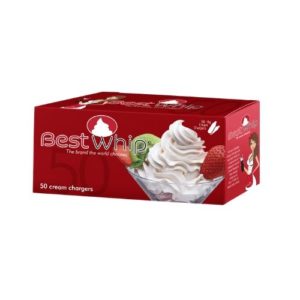
Long-term Storage Considerations for Nitrous Oxide Tanks
If you're saving your nang tanks long-lasting:
Regularly check them every couple of months. Keep track of expiration dates on your tanks. Ensure they're securely sealed when not in use.Long-term care ensures reliability whenever you need them again!
Emergency Procedures: What To Do If Things Go Wrong?
Handling Leaks from N2O Containers
Leaks can be hazardous! If you think a leakage:
Evacuate everybody from the location immediately. Ventilate by opening windows if safe to do so. Contact emergency services if needed; they are trained for such situations.Remember that prevention is much better than cure!
Dealing With Frostbite Injuries From Nitrous Oxide Exposure
Frostbite might occur when nitrous oxide gets away at high pressure:
Warm the afflicted area using lukewarm water-- never apply ice! Seek medical attention if signs continue beyond moderate discomfort.Always focus on health over anything else!
Legal Considerations Surrounding Nitrous Oxide Usage
Understanding Regulations on Purchasing and Utilizing Nitrous Oxide
Laws regarding nitrous oxide differ regionally:
- In some locations, it's controlled strictly due to misuse concerns. Always inspect local laws before acquiring Nang Cylinders or Cream Battery Charger Cylinders.
Staying notified will help avoid legal pitfalls!
Age Constraints Related to Acquiring N2O Containers
Many jurisdictions impose age constraints on buying nitrous oxide products like nangs or whippits-- usually restricting sales to those over 18 years old-- to curb recreational misuse.
Frequently Asked Concerns (FAQs)
1. What are the main uses of nitrous oxide?
Nitrous oxide has actually varied applications including culinary use (as in whipped cream), medical anesthetics, and even automotive racing as an engine booster.
2. The length of time do nitrous oxide tanks stay usable?
The usability depends on storage conditions; typically speaking, if saved properly, they can last a number of years before requiring replacement or refilling.
3. Can I refill my Cream Charger Tank?
Yes! Lots of areas provide filling up services for Cream Battery charger Cylinders; nevertheless, ensure compliance with local regulations before proceeding.
4. Is nitrous oxide safe for recreational use?
While some might utilize nitrous oxide recreationally (as "whippits"), it presents health risks including oxygen deprivation-- utilize caution if considering this route!
5. What need to I do if my nang tank freezes?
If your nang tank freezes due to direct exposure to severe cold conditions, move it indoors slowly allowing it thaw naturally-- never ever apply heat directly!
6. Exist ecological effects related to utilizing nitrous oxide?
Yes! While not damaging in small amounts when consisted of effectively, excessive release into the atmosphere contributes adversely towards greenhouse gases affecting environment modification results overall so accountable use matters greatly!
Conclusion: Focus on Safety Above All Else!
In summary, managing and keeping nitrogen tanks might appear uncomplicated however should never be ignored! By following these guidelines detailed above-- from checking devices thoroughly before utilize down through maintaining correct storage conditions-- you'll make sure both yourself & & those around stay safeguarded while enjoying all benefits used by this remarkable substance! Keep in mind: Safety initially needs to always guide every interaction with any type of compressed gases like our pal here-- N ₂ O!
With appropriate practices strongly established at heart-- and possibly some good old-fashioned good sense sprayed throughout-- you'll browse through utilizing these tools flawlessly without concern ahead!
